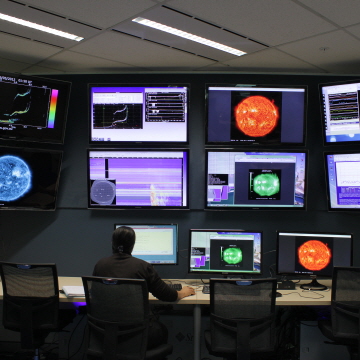
 ASWFC (Australia)
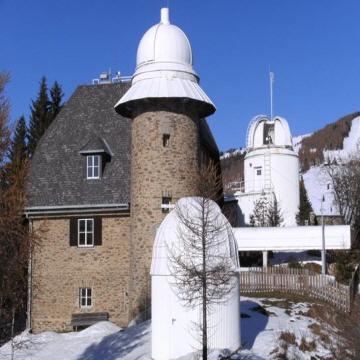
 KSO (Austria)
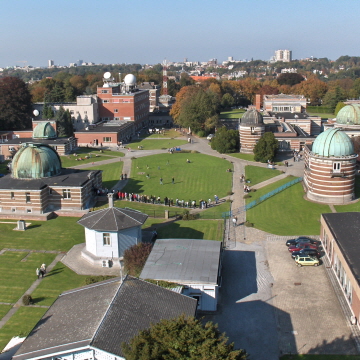
 SIDC (Belgium)
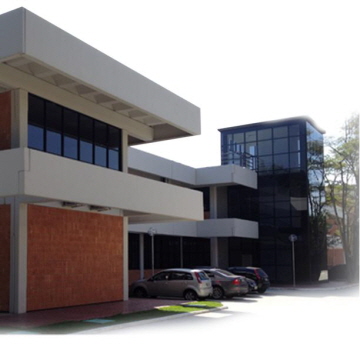
 EMBRACE (Brazil)
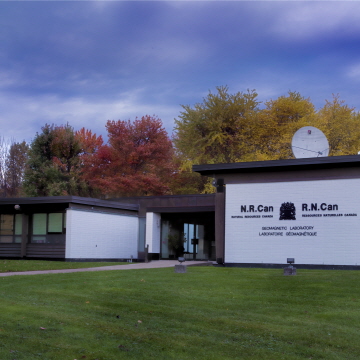
 CSWFC (Canada)
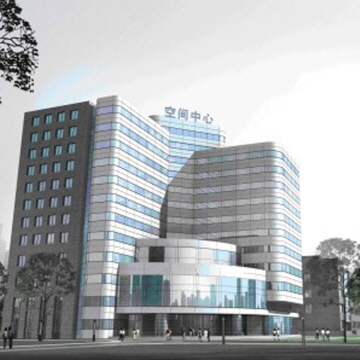
 NSSC (China)
 IAP (Czech Republic)
 DLR (Germany)
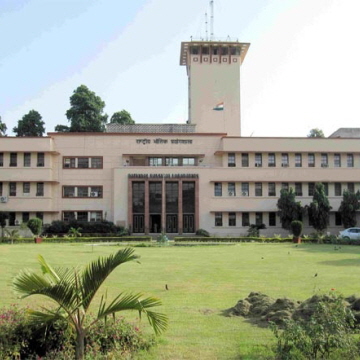
 NPL (India)
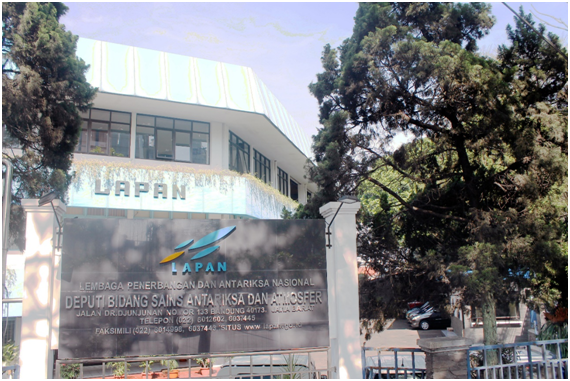
 SWIFtS (Indonesia)
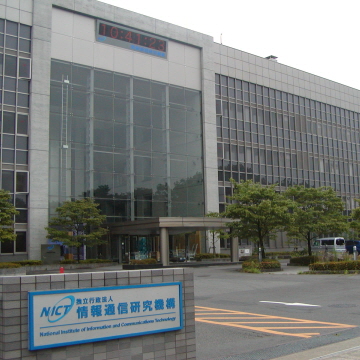
 NICT (Japan)
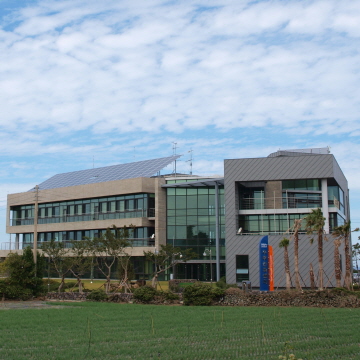
 KSWC (Republic of Korea)
 SCiESMEX (Mexico)
 SRC (Poland)
 IAG (Russia)
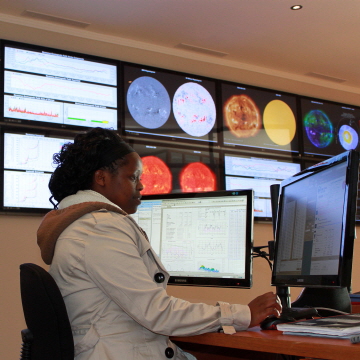
 SANSA (South Africa)
 LSWC (Sweden)
 MOSWOC (UK)
 SWPC (USA)
 ESA (Europe)
 NOSWE (Norway)
 FMI (Finland)
 LAMP (Argentina)
 GISTDA (Thailand)
ISES
The International Space Environment Service (ISES) is a collaborative network of space weather service-providing organizations around the globe.
Our mission is to improve, to coordinate, and to deliver operational space weather services. ISES is organized and operated for the benefit of the international space weather user community.
ISES currently includes 22 Regional Warning Centers, four Associate Warning Centers, and one Collaborative Expert Center.
ISES is a Network Member of the
ISES has been the primary organization engaged in the international coordination of space weather services since 1962. ISES members share data and forecasts and provide space weather services to users in their regions. ISES provides a broad range of services, including: forecasts, warnings, and alerts of solar, magnetospheric, and ionospheric conditions; space environment data; customer-focused event analyses; and long-range predictions of the solar cycle.